Understand your local council timeline
Councils roll out FOGO services at different rates. Check your council’s schedule so you’re not caught out when requirements change.
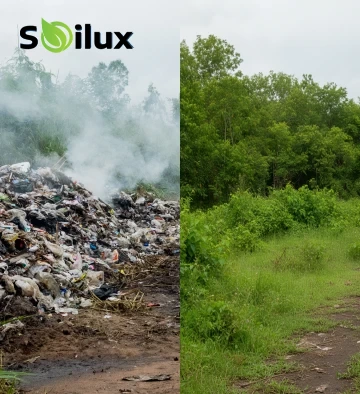
Australia is moving towards mandatory separation of food waste from general rubbish across councils and states. The goal is to keep food scraps out of landfill, reduce greenhouse gas emissions, and recover valuable organics for compost, soil, mulch and other reuse.
By 2030: all households will need to separate food and garden organics (FOGO) under council waste services.
These changes are part of Australia’s broader waste strategy to halve food waste to landfill and build a more circular economy.
Your council will provide or expand a green-lidded Food Organics and Garden Organics bin, alongside general waste and recycling. You’ll be asked to place food scraps and garden waste into this bin for weekly or fortnightly collection by 2030.
Reduce landfill pressure
Council commitments.
States like Victoria and NSW are already expanding kerbside organics collection and infrastructure to support these goals
Councils roll out FOGO services at different rates. Check your council’s schedule so you’re not caught out when requirements change.

Even before mandates start, separating scraps such as vegetables, fruit, bread and coffee grounds makes compliance easier when rollouts occur.

Products like Soilux help reduce what goes into bins by turning kitchen scraps into a compostable base that can go into FOGO collections or home compost systems.
This isn’t a replacement for council services, but it supports better organics management.
Councils roll out FOGO services at different rates. Check your council’s schedule so you’re not caught out when requirements change.
Even before mandates start, separating scraps such as vegetables, fruit, bread and coffee grounds makes compliance easier when rollouts occur.
Products like Soilux help reduce what goes into bins by turning kitchen scraps into a compostable base that can go into FOGO collections or home compost systems.
This isn’t a replacement for council services, but it supports better organics management.
Accepted items generally include:

Fruit and vegetable scraps

Coffee grounds and filters

Bread, pasta, cereals

Garden clippings and leaves
Accepted items can vary by council, so check your local guidelines for details.
(This page is a guide, not an official council list).
It depends on your council and state. Many are rolling out expanded organics services through the late 2020s with full coverage by 2030.
Separating food organics helps reduce methane emissions in landfill and creates compostable materials that can be reused in gardens, parks and agriculture.
Collection schedules vary by council. Many offer weekly or fortnightly FOGO bin collection. Check your local service calendar.
Ready for the change
With food-organics separation becoming mandatory across Australia over the next few years, now’s the time to get set up. Understanding the rules and your local timeline will make the transition smooth and can help you reduce waste, greenhouse gas emissions, and reliance on general waste bins.
Soilux is a countertop kitchen composter that processes food scraps indoors, reducing volume, odour and mess before they ever reach your bin. It’s quiet, enclosed, and designed for everyday kitchens, making it easier to separate food waste cleanly as council FOGO services roll out.
Helps reduce food waste volume at home
Minimises odours and fruit flies in the kitchen
Designed for apartments and modern living
Works alongside council FOGO bins and compost systems